Tag: Peyronie’s

  • Risks and Side Effects of Penis Pump

    Risks and Side Effects of Penis Pump

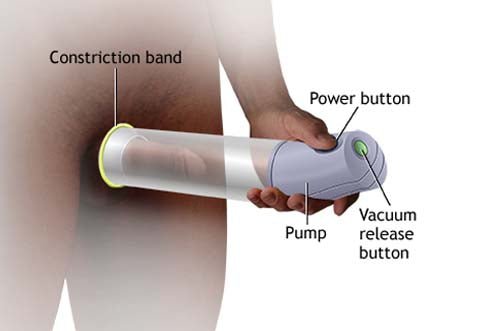
    When it comes to increasing penis size, girth or even alleviating some perceived defects, penis pumps are one of the most effective and safe methods available. Side effects are generally rare and minor. Proper use can decrease the risk of these substantially. For most men using a pump has little-to-no negative side effects and frequent, proper use, can show almost immediate results. Despite this, before deciding whether to use a penis pump there are a few potential side effects that should be considered.
    Who could be at risk from using a penis pump?
    People who take blood-thinning medications such as warfarin or clopidogrel, and even some over the counter pain relief drugs like naproxen, ibuprofen, and aspirin can be at risk of bleeding from pump use. Sufferers of sickle cell anemia or other blood disorders may also face increased risk of bleeding, or may be susceptible to blood clots. Because of this it is recommended to speak to a medical professional about your health conditions and any medication you take before using a penis pump.
    Possible side effects
    For most people who use penis pumps, side effects are few or none. Using the penis pump correctly will reduce the risks of side effects dramatically. Possible side effects can include:
    Numbness

    This is usually due to lowered blood circulation due to the penis pump. This can also involve the penis looking bluish in colour or feeling cold. If you notice this occurring then halt penis pump use immediately. If the sensation lasts then consult a medical professional. This may occur when the cylinder ring is in place and could suggest that the ring is too small or that pump has been over used.
    Pain or bruising
    This can form around the penis during pump use and is usually a result of other use of the pump. Users should always stick to instructions when it comes to length of usage in order to minimise any potential damaging of the penis and to maximise its efficiency.
    Bleeding
    If you notice visible pinpoint-sized red dots, called petechiae, then this is caused by bleeding under the surface of the penis. This is a possible side effect of overuse of the pump, or could be caused by a sensitive blood condition, like those outlined above.
     
    Decrease in the force of ejaculation
    Sometimes use of the penis pump and erection ring can cause a decrease in the force of ejaculation or create a feeling of trapped semen. This will generally pass when the ring is removed and should not interfere with pleasure of an orgasm.
    In summary

    Manual or automatic pumps are one the safer methods of body enhancement available. By using the pump correctly, side effects are generally rare and not serious. If you are unsure whether any medication you take could affect penis pump use, or are worried about any side effects, then consult a medical professional or our email support service.
  • All You Need To Know About Peyronie’s

    All You Need To Know About Peyronie’s

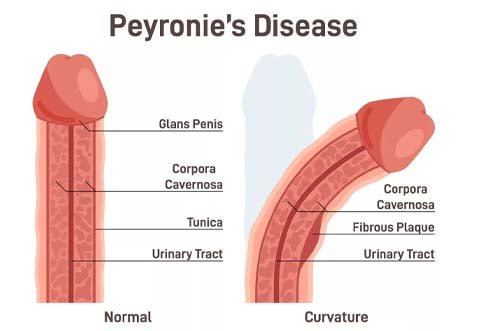
    Peyronie’s (pay-roe-NEEZ) disease is a condition in which fibrous scar tissue forms in the deeper tissues under the skin of the penis. This causes curved, painful erections. It also can make the penis shorter while erect. Peyronie’s disease is not caused by cancer.
    Penises vary in shape and size. So having a curved erection isn’t always a cause for concern. But Peyronie’s disease causes a serious bend or pain in some people. This can prevent you from having sex. Or it might make it hard to get or keep an erection, which also is called erectile dysfunction. For many people, Peyronie’s disease also causes stress and anxiety.

    Peyronie’s disease rarely goes away on its own. In most people with the condition, it will remain as is or may get slightly worse early on. Early treatment soon after you get the condition may keep it from getting worse or even improve symptoms. Even if you’ve had Peyronie’s disease for some time, treatment may help ease symptoms such as pain, curving and shortening.
    Products & Services
    Symptoms
    Peyronie’s disease symptoms might start suddenly or appear over time. The most common symptoms include:
    • Scar tissue. The scar tissue linked with Peyronie’s disease also is called plaque. It’s different from plaque that can build up in blood vessels or on your teeth. It can be felt under the skin of the penis as flat lumps or a band of hard tissue. The area over the scar tissue may feel tender.
    • A bend to the penis. The penis might curve upward or downward or bend to one side.
    • Erection problems. Peyronie’s disease might cause problems getting or keeping an erection. This also is called erectile dysfunction. Often though, people with Peyronie’s disease say they notice erectile dysfunction before the start of their other penile symptoms.
    • Shortening of the penis. The penis might become shorter during erections due to Peyronie’s disease.
    • Pain in the penis. This symptom might happen with or without an erection.
    • Other changes in how the penis looks. In some people with Peyronie’s disease, the erect penis might look narrow or indented. It might even take on an hourglass-like shape, with a tight, narrow band around the shaft.
    The curving and penile shortening linked with Peyronie’s disease might become worse over time. Physical changes in the penis often get worse or stay the same during the first year to year and a half.

    Pain during erections usually gets better within 1 to 2 years. The scar tissue, penile shortening and curving often remain. It’s not common, but the curving and pain of Peyronie’s disease can get better without treatment.

    When to see a doctor
    See a health care professional if you notice symptoms of Peyronie’s disease. Early treatment gives you the best chance to improve the condition or keep it from getting worse. If you’ve had the condition for some time, get a health care checkup if the pain, curving, length, or other changes bother you or your partner.